NATURE
Lawn vs Native Plantings for Insects in a Small Yard
A uniform lawn is simple to mow and thin on food for pollinators. Mixed native beds look messier and feed more of the small life you rarely name.
18 Aug 2026 · 2 min read
Advertisement


Curious stories, remarkable people, and the ideas that shape our world.
Page 4A uniform lawn is simple to mow and thin on food for pollinators. Mixed native beds look messier and feed more of the small life you rarely name.
Did you build a ritual for your best self—or for the week you wish you had? Routines fail when life volume changes and the script does not.
Headlines race for clicks; studies move slowly. A few reading habits separate signal from alarm without tuning out real risks.
Cloud albums sync everywhere; a drive in a drawer survives account changes. Most households need a split, not a winner-take-all choice.
The right bag still fails if everything inside fights security, overhead rules, and the walk from Gate C to the tram.
Massive genealogy sites are tempting front doors. They help when records match your region; they confuse when hints pile up faster than proof.
A cheap tray outside a third-floor door turned into a slow class in timing, mess, and which species actually show up in the city.
Both tools promise calm. The difference shows up in friction, reminders, and how your brain remembers commitments.
Both numbers come from the same models, but error grows fast as you look farther out. The gap is physics and chaos, not laziness.
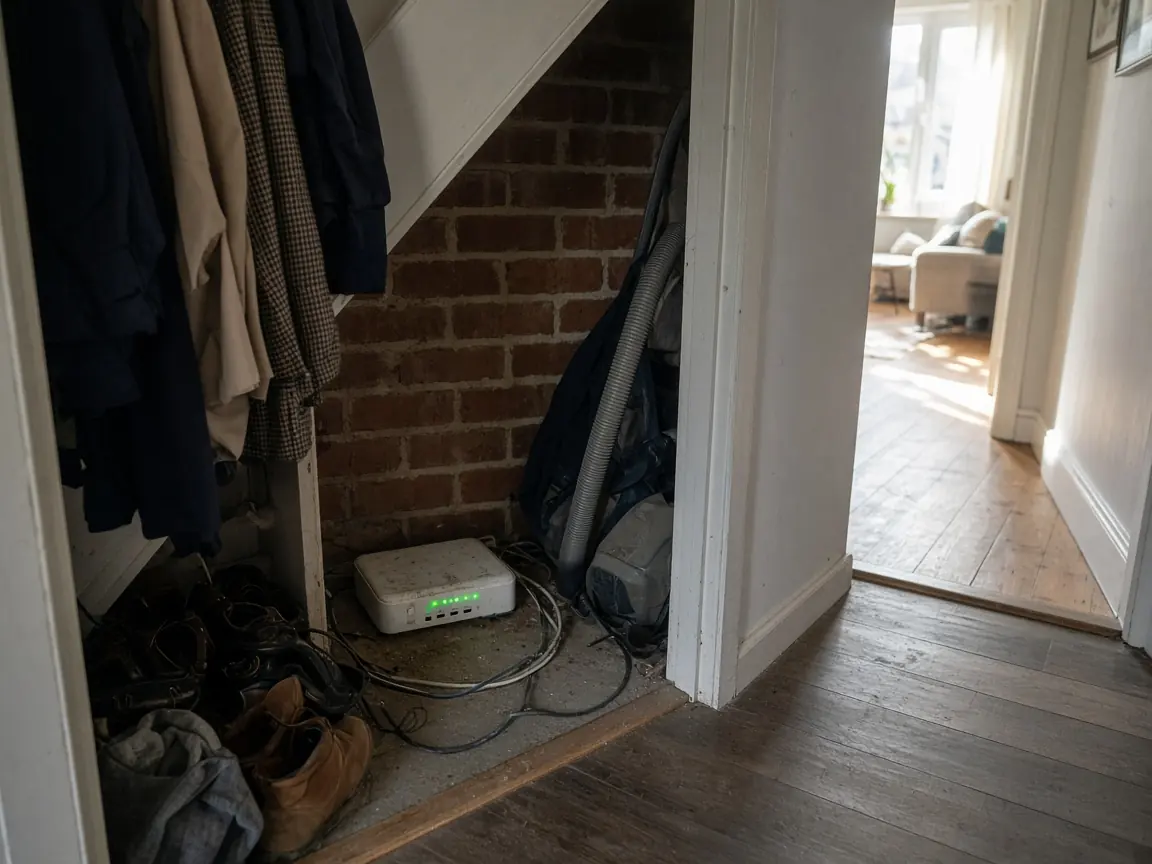
Slow Wi‑Fi is often placement and settings, not a mystery curse. A few repeated errors account for most living-room dead zones.
Peak weeks pack events and sun; shoulder weeks trade a little weather lottery for shorter lines and kinder prices. The win depends on place and patience.
Films show mud, torches, and constant filth. Real towns were crowded, regulated, and often cleaner than pop history claims—just not in the ways you expect.