HISTORY
When Every Town Kept Its Own Time: How Railways Forced a Standard
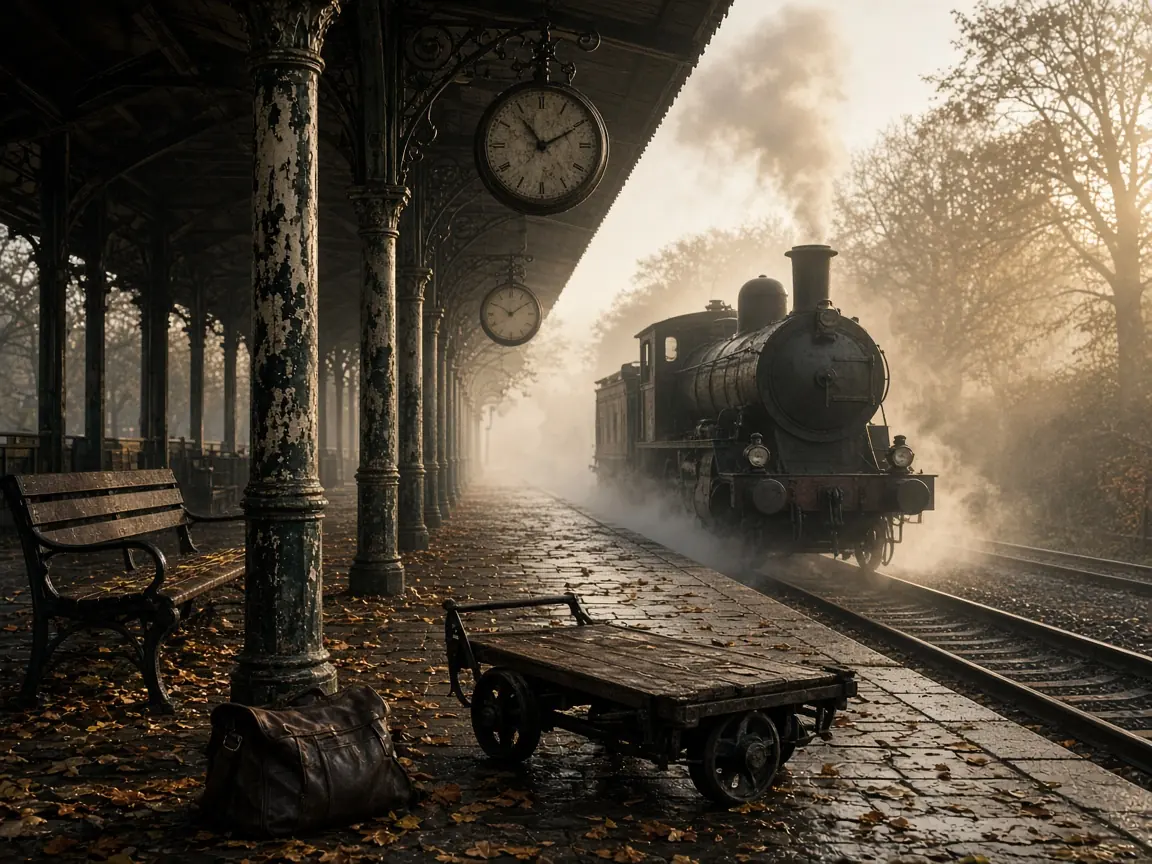
Until the 1800s, noon was whenever the sun was highest in your town. Trains made that confusing enough to be worth fixing.
29 Sep 2026 · 3 min read
Past events, people, and how they shape today.
Until the 1800s, noon was whenever the sun was highest in your town. Trains made that confusing enough to be worth fixing.
Before 1840, the person receiving a letter usually paid for it, and the price depended on distance. One cheap stamp turned that system upside down.
For most of history, a harvest had to last until the next one. A look at the methods people used, what each one cost, and which ones we still eat today.
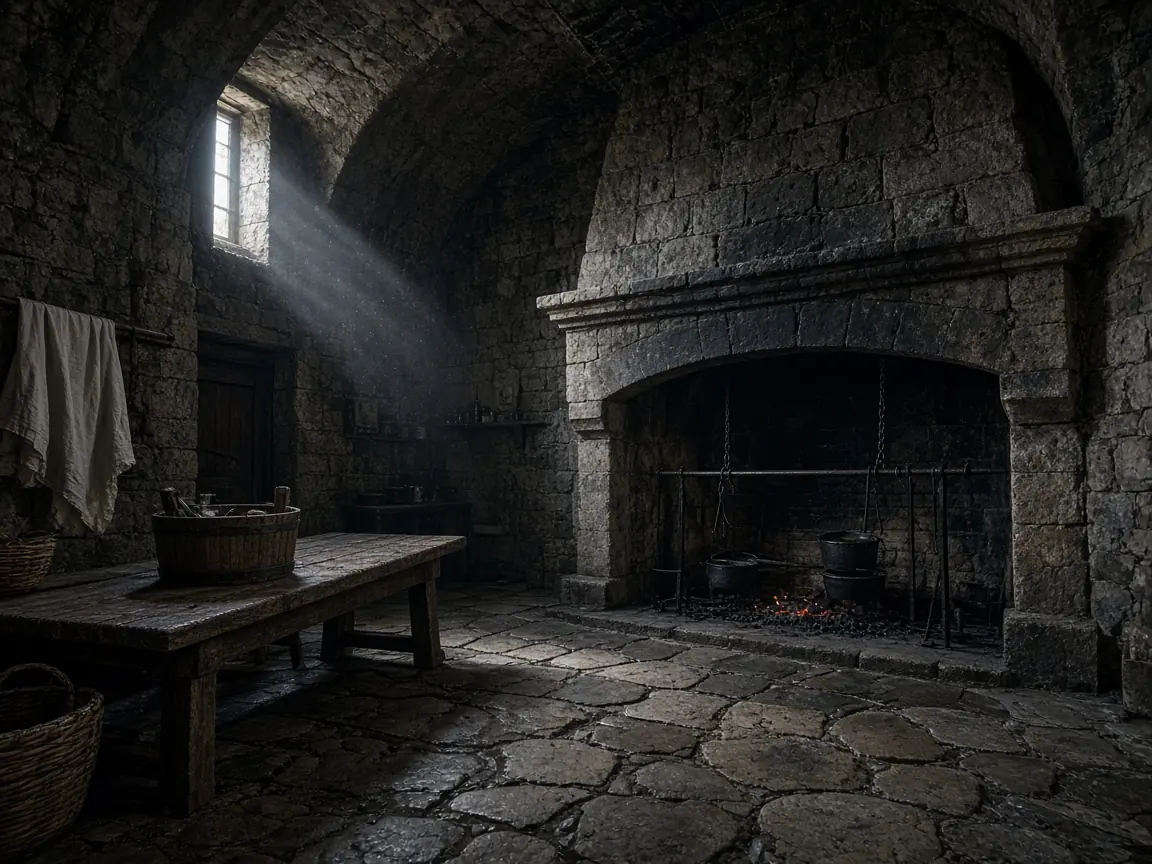
Heritage sites highlight drama and architecture. Ordinary heat, smell, and labor inside those walls take research to reconstruct.
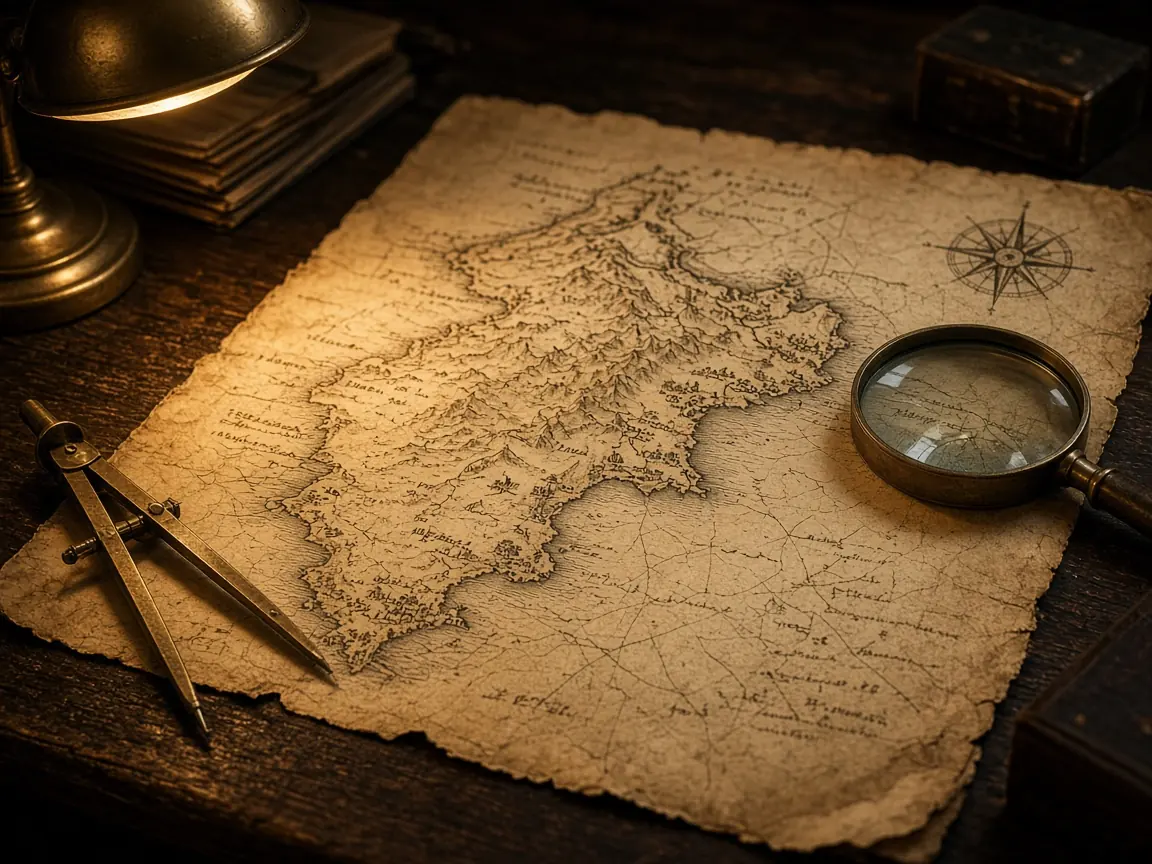
Border lines and coast shapes on antique maps mixed survey, politics, and guesswork. Treat them as arguments from their day, not GPS overlays.
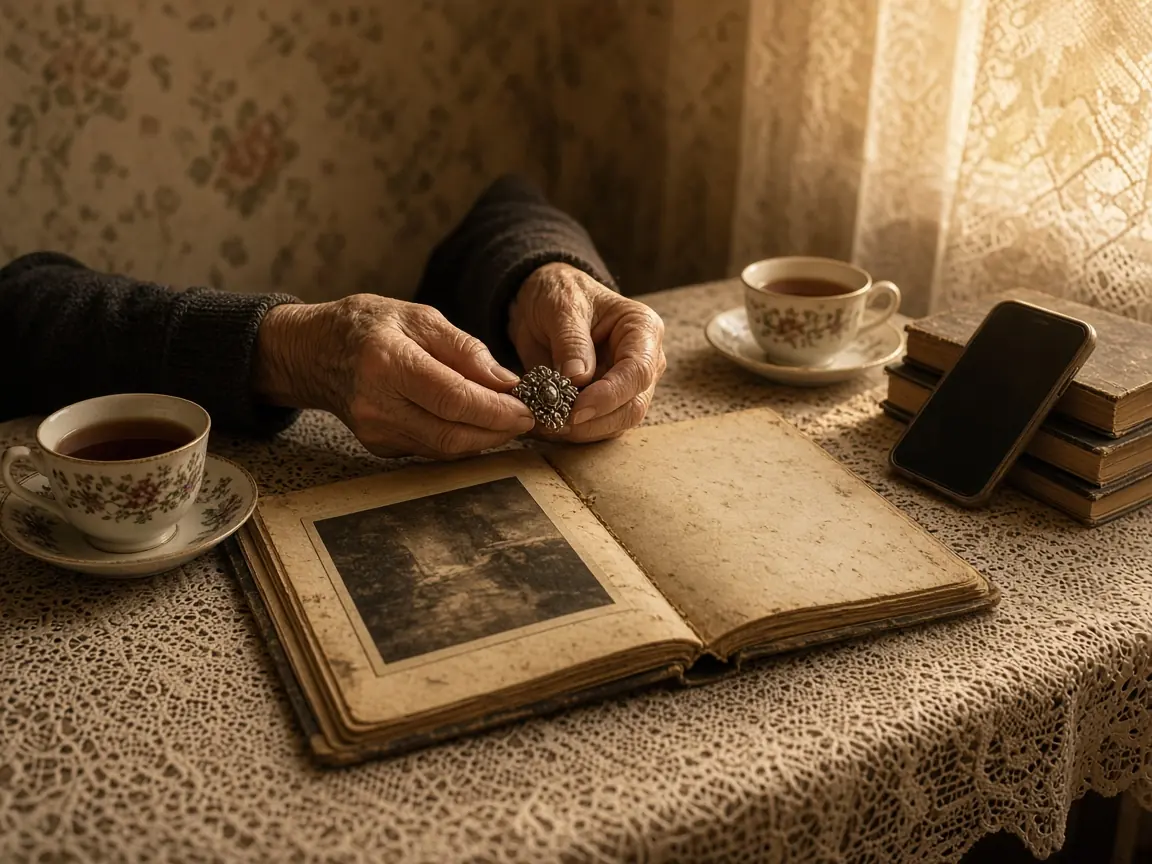
A phone memo beats a perfect transcript. Structured questions and quiet rooms help relatives share details genealogy charts never capture.
A stiff portrait is not just “how they looked.” Posture, studio props, and print damage steer the stories we invent about people we never met.
Massive genealogy sites are tempting front doors. They help when records match your region; they confuse when hints pile up faster than proof.
Films show mud, torches, and constant filth. Real towns were crowded, regulated, and often cleaner than pop history claims—just not in the ways you expect.