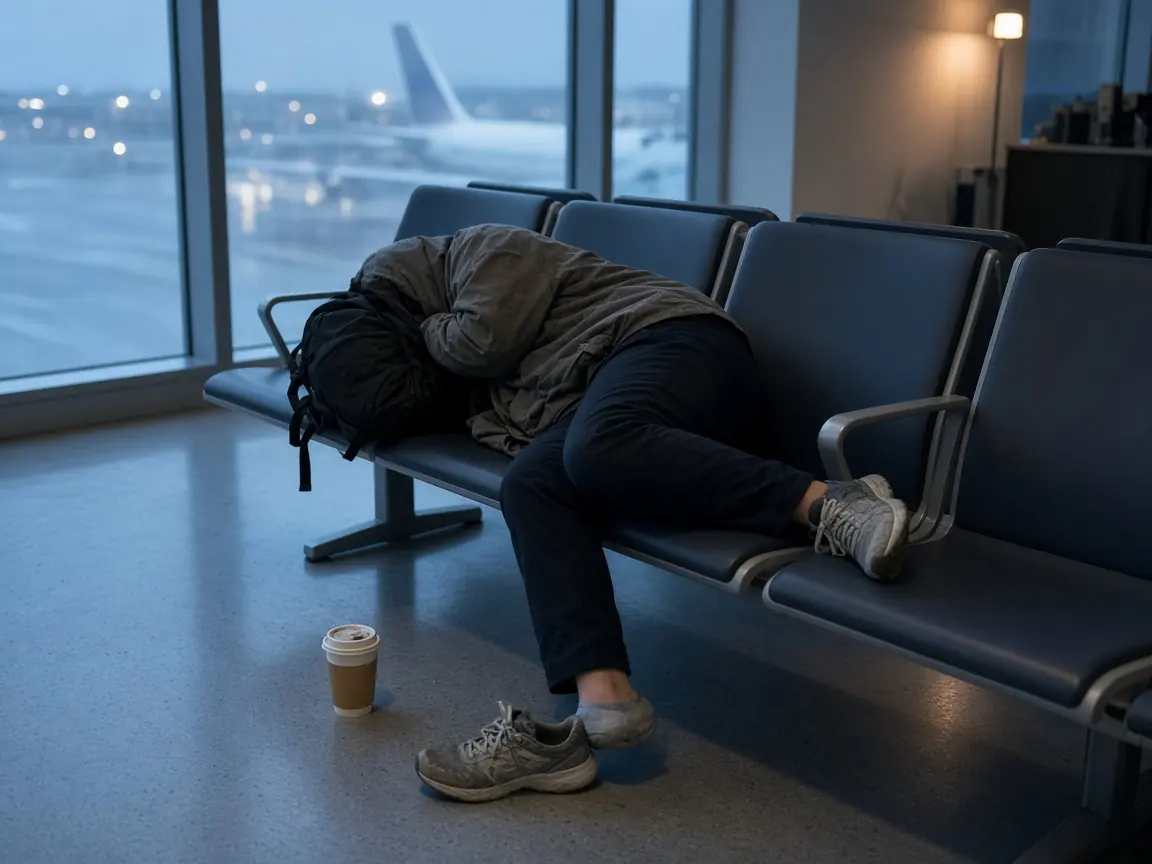
Most travelers blame jet lag for every groggy morning. Fair enough—crossing zones scrambles your clock. But on short trips and even on long ones, the bigger culprits are often boring: caffeine timing, phone light at midnight, and a room that never really gets dark.
Hotels are designed for average sleepers, not for you. That means one pillow, thin curtains, and a hallway that hums all night. If you treat a hotel room like your bedroom at home, you are stacking odds against rest before the trip even starts.
Mistakes that look harmless
Drinking coffee at 4 p.m. because you “need to stay up for dinner” is a classic trap. Caffeine’s half-life is long enough that a late cup still whispers to your brain at bedtime, especially when you are already wired from travel stress.
Another quiet mistake: napping on arrival without a plan. A ninety-minute crash feels great until 2 a.m., when you are staring at the ceiling wondering why your body thinks it is morning in Chicago while your calendar says Paris.
Scrolling in bed is worse in unfamiliar rooms. Your brain links bed with alertness when the last thing you see is a bright feed. Travel already raises cortisol a notch; adding blue light on top makes “just one more video” expensive.
People also skip daylight on purpose—sleep in, rush to indoor plans, hide from heat. Light is the cheapest jet-lag tool. Even twenty minutes outside before noon helps anchor the day you want tomorrow.
Quick comparison: home vs. hotel
| Habit | At home | On the road |
|---|---|---|
| Wind-down cue | Same lamp, same book | Pack one small ritual (tea, paperback) |
| Darkness | Blackout you chose | Clip or tuck curtains; mask in carry-on |
| Noise | Familiar hum | Earplugs or white noise app offline |
| Temperature | You control thermostat | Ask for a fan; sleep cooler if you can |
Earplugs feel awkward until the first night a ice machine wins. A sleep mask weighs almost nothing and fixes “curtain gap” problems that photography never shows in hotel ads.
Alcohol is the social lubricant of travel, and it is also a fragmented-sleep machine. One drink with dinner is different from three cocktails plus a nightcap. You might fall asleep faster and wake more often—that trade rarely feels worth it on day two of a trip.
Exercise helps sleep, but timing matters. A hard run an hour before bed can leave you tired yet twitchy. Morning walks double as light exposure and gentle movement—two birds, one stroll around the neighborhood.
A pre-bed checklist you can reuse
Before you brush your teeth, run through the same five items every night on a trip: curtains closed, phone on do-not-disturb across the room, alarm set for the local wake time you chose (not “whenever”), water by the bed, and one non-screen activity for ten minutes.
If you wake at 3 a.m., avoid the “productivity panic” of answering email. Dim light, slow breathing, no clock math. Getting out of bed for a few minutes beats lying there rehearsing tomorrow’s schedule.
On the last night before flying home, shift one meal and one light block toward home time if you can. You will not fully reset in one evening, but you reduce the Monday-morning crash that makes everyone swear off travel until next year.
Travel sleep is not about perfection. It is about not sabotaging yourself with habits you would never use at home, then blaming the time zone for the bill.